
Your eight-year-old bounds into the living room after 20 minutes of SpongeBob, and you ask him to set the table for dinner. He stares at you like you’ve asked him to solve a calculus problem. “What?” he says, blinking. You repeat yourself. He wanders toward the kitchen, then stops, confused about what he’s supposed to be doing. You sigh. This happened yesterday too. And the day before.
Here’s what you might not know: that glazed-over, mentally-scattered state isn’t just your kid being a kid. According to a comprehensive meta-analysis published in Developmental Science in 2025, certain types of screen content (specifically fantastical, reality-bending shows) are measurably depleting your child’s cognitive resources in real-time. And the effects show up immediately after viewing, right when you need them to think, focus, and function.
This isn’t about demonizing all screens. This is about understanding which types of content are essentially asking your child’s developing brain to run a marathon before they’ve learned to walk, and why swapping some of that visual chaos for audio-based stories might be one of the smartest moves you make this year.
The Fantasy Effect: How Screen Content Harms Executive Function in Children
Let's talk about what's actually happening inside your child's head when they watch a show where a sponge lives in a pineapple under the sea, or a character defies the laws of physics every 30 seconds. You've probably noticed that after watching certain cartoons, your child seems… different. Not calmer or more focused, but weirdly wired yet mentally fuzzy at the same time. You wonder if it's just overstimulation, or if something deeper is going on. The meta-analysis examined 16 studies involving nearly 1,300 children and found something striking: children who watched fantastical media performed significantly worse on attention and executive function tasks immediately after viewing, compared to kids who watched realistic content. The effect size was meaningful (d = -0.244), and it held up across different countries, age groups, and types of cognitive tests.
Why? Fantastical events (talking animals, impossible physics, magical transformations) are novel by definition. They don't map onto anything in your child's existing mental library of "how the world works." Every time a character teleports or a building transforms into a robot, your child's brain has to work overtime to process something that contradicts reality. This isn't passive entertainment. It's cognitive labor.
And here's the kicker: unlike fast-paced editing (which the study found had no consistent effect), fantasy doesn't lose its impact with repeated exposure. A rapid camera cut becomes predictable. But a dragon turning into a school bus? That's always going to require extra mental bandwidth to parse.
When children consume content grounded in reality (or better yet, audio content that lets them construct the images themselves), they're not fighting their brain's basic understanding of cause and effect. They're building on it. A story about a kid navigating a tough day at school, told as an engaging audio story, doesn't drain their executive function. It exercises their imagination within the guardrails of reality, strengthening their ability to visualize, predict, and focus.
What “Executive Function” Actually Means (And Why You Should Care)
If you’ve never heard the term “executive function” (EF), here’s the short version: it’s the air traffic control system of your child’s brain. It includes:
- Inhibitory control: The ability to stop and think before acting
- Working memory: Holding information in mind while using it (like remembering the three things you asked them to do)
- Cognitive flexibility: Switching between tasks or perspectives without melting down
These aren’t “nice to have” skills. They’re the foundation of academic success, emotional regulation, and long-term life outcomes. Kids with strong EF do better in school, have healthier friendships, and are more resilient when life gets hard.
The Worry: You’re noticing your child struggles to finish homework without getting distracted, has explosive reactions to minor frustrations, or can’t seem to follow multi-step instructions. You’re wondering if this is ADHD, a phase, or something you’re doing wrong.
The Receipt: The researchers specifically tested three components of EF after media exposure: cognitive flexibility, inhibitory control, and working memory. Fantasy content negatively impacted all three, with inhibitory control taking the biggest hit. Translation: after watching a fantastical show, kids were measurably worse at stopping themselves from doing the first thing that popped into their heads.
Now imagine this happening daily, for years. Your child isn’t just “distracted sometimes.” Their brain is being repeatedly asked to recover from a cognitive workout they’re not equipped for, and then you’re asking them to sit still and do fractions.
The Shift: Audio-based stories don’t carry this cognitive cost. In fact, they may offer the opposite benefit. When a child listens to a story, they have to actively construct the mental images, predict what happens next, and hold narrative threads in working memory. This is EF training, not EF depletion. It’s the difference between doing bicep curls and having someone repeatedly punch you in the arm.
“But All Their Friends Watch It”: The Steel Man
Let’s address the elephant in the room. You’re reading this and thinking:
“Okay, but my kid’s friends all watch these shows. I can’t just ban everything fun. And honestly, I need 20 minutes to make dinner without them climbing the walls. This feels like one more thing I’m doing wrong.”
Fair. Let’s talk about it.
First, the “everyone’s doing it” argument is how we got here in the first place. In the 1950s, everyone smoked. In the 2000s, everyone gave their toddlers an iPad at restaurants. The fact that something is normalized doesn’t make it harmless. You are allowed (obligated, even) to make decisions based on evidence, not on what the loudest parent in the carpool line is doing.
Second, this isn’t about banning screens entirely. It’s about being strategic. The research shows that not all content is created equal. A David Attenborough nature documentary? Totally different cognitive impact than SpongeBob. A well-crafted educational podcast for kids? That’s not just “less bad.” It’s actively beneficial.
Third, regarding the “I need a break” argument: I hear you. Parenting is relentless, and if 20 minutes of Paw Patrol is the difference between you losing your mind and getting dinner on the table, I’m not here to shame you. But here’s the truth: audio content does the same job without the same cost. A captivating story podcast holds their attention just as effectively, sometimes more so, because it requires their active participation. They’re not passively absorbing. They’re imagining, predicting, and mentally building the story world.
And one more thing: the long-term cost of cognitive depletion is higher than the short-term discomfort of changing habits. Weak executive function in childhood predicts struggles with addiction, unemployment, and mental health issues in adulthood. This isn’t alarmism. It’s epidemiology. You’re not overreacting. You’re parenting with your eyes open.
The Audio Advantage: Training the Brain While Telling a Story
Here’s where this gets practical and hopeful. You want your kids to have downtime, to decompress, to be entertained. But you also know that traditional screen content isn’t doing them any favors. You’re stuck between guilt and exhaustion. The meta-analysis authors note something crucial: children who watched realistic, slower-paced content didn’t just avoid cognitive harm; they often performed better on post-viewing tasks. Why? Because their brains weren’t exhausted from processing the impossible. They had mental energy left over.
Now extend that logic to audio. When a child listens to a story, whether it’s a narrative podcast, an audiobook, or an educational series, they are:
- Building vocabulary (studies show audiobooks expand language skills as effectively as reading)
- Strengthening focus (they have to sustain attention without visual cues)
- Exercising their imagination (they’re the director, set designer, and casting agent)
- Developing theory of mind (following character motivations without seeing facial expressions)
This is active, generative cognition, not passive reception. It’s the mental equivalent of running on a trail versus sitting on a moving walkway. Both involve forward motion. Only one builds strength.
Swapping even 30% of your child's screen time for audio content is a game-changer. Start with a high-quality story podcast designed for their age group (8-12 year-olds, in particular, are in a sweet spot for narrative audio). Make it part of the routine: "We listen to a podcast during dinner prep." "We do audiobooks on car rides."
Within weeks, you'll likely notice:
- Better focus during homework
- Less pushback when transitioning between activities
- More creative play (because their imagination is getting a workout)
- Improved listening skills in conversations
And here's the secret weapon: you can use audio content to teach critical thinking without them realizing it's happening. A well-designed podcast can introduce historical events, scientific concepts, or moral dilemmas in a way that feels like entertainment, because it is entertainment, just with substance underneath.
What You Can Do Right Now
You don’t need a PhD in neuroscience to act on this. You just need a plan. Here are five moves you can make today:
1. Audit the content. Make a list of your child’s top 5 shows. Google “[Show Name] + fantasy vs. realistic.” If it’s heavy on magic, impossible physics, or reality-bending content, flag it. You don’t have to ban it, but maybe it’s a “weekend treat,” not a daily dose.
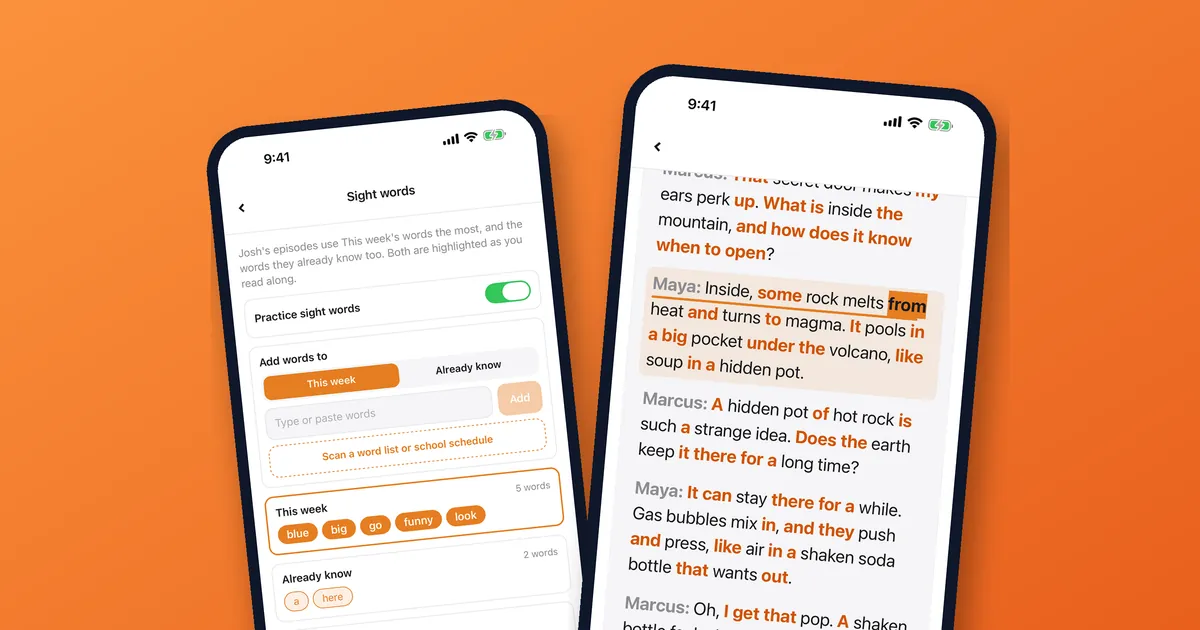
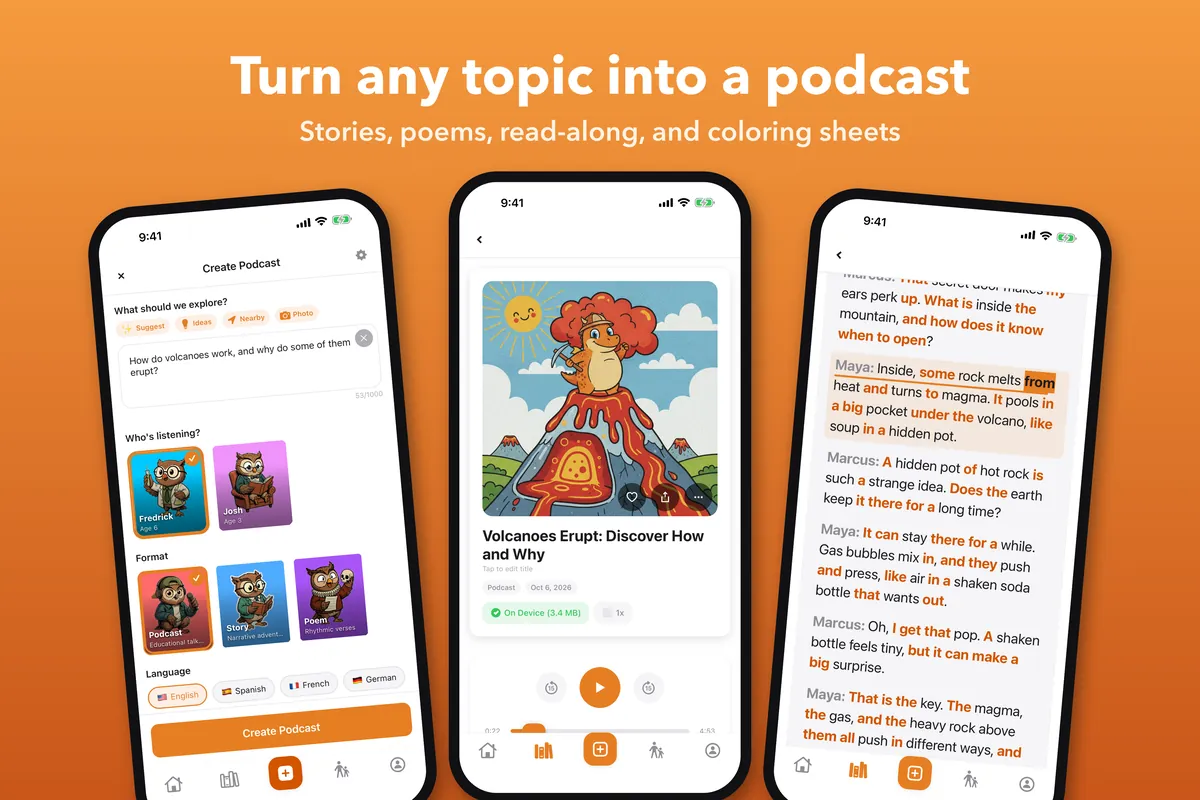
2. Introduce one audio habit this week. Find a podcast or audiobook series that matches your child's interests (mythology? mystery? science?), or make your own episode with HootPODS on exactly that topic. Make it non-negotiable in one slot: "This is our new car routine" or "This is what we do while I cook."
3. Co-listen and debrief. Spend 10 minutes after an audio story asking questions: “What do you think happens next?” “Why did that character make that choice?” You’re training comprehension and critical thinking. And bonding.
4. Set a “fantastical content budget.” Decide how much fantasy-heavy screen time is acceptable per week. Maybe it’s two 30-minute blocks. Frame it positively: “We’re choosing content that helps your brain work best.”
5. Model it. Let your kid see you listening to a podcast or audiobook. Say out loud: “I love how this makes me think.” They learn what you value by watching what you do.
Frequently Asked Questions About Screen Time, Executive Function & Kids
Does this mean my child has ADHD if they can't focus after watching TV?
Not necessarily. Temporary attention difficulties after fantasy content are normal. They're a sign of cognitive fatigue, not a disorder. However, if you notice persistent focus problems that show up even without screen time, talk to your pediatrician about an evaluation.
Are ALL animated shows bad for executive function?
No. The study specifically targeted fantastical content. Educational programs, nature documentaries, and realistic animation (like slice-of-life shows) had neutral or positive effects on executive function.
How much screen time is "safe" if we're choosing realistic content?
The American Academy of Pediatrics doesn't set a fixed number of hours for school-age children. Its guidance is to set consistent limits on how much and what kind of media they use, and to make sure screens don't take the place of sleep, physical activity, or face-to-face time. If you're choosing realistic content, you have some flexibility, but even good content shouldn't crowd those out.
What's the best age to introduce audio podcasts to kids?
Kids can enjoy audio content from age 4-5+, but 6-8 years old is when they really start to engage deeply with narrative audio. By 8-12, they're in the sweet spot for complex storytelling and learning through audio.
Do audiobooks count as "reading"? Will they help my child's literacy?
Yes and yes. Research shows audiobooks develop vocabulary, comprehension, and phonological awareness just as effectively as reading. Combine them with actual reading for maximum benefit.
Can I use audio content as a screen-time replacement while I work?
Absolutely. Audio content is less cognitively demanding than visual content, so it's gentler on executive function. Your child gets entertainment and mental engagement without the same crash afterward.
How do I know if my kid's executive function is improving?
Watch for: better ability to follow multi-step instructions, less resistance when switching between activities, improved focus during homework, more creative play, and fewer emotional meltdowns over minor frustrations. These typically show up within 2-4 weeks of regular audio content exposure.
Key Takeaways
- Fantasy-heavy screen content measurably depletes children’s executive function and attention immediately after viewing. The effects are real, documented, and consistent across studies.
- Not all screens are equal. Realistic content and audio-based stories don’t carry the same cognitive cost, and may actively build cognitive skills.
- Executive function matters more than most parents realize. It’s the foundation for academic success, emotional regulation, and long-term well-being.
- You’re not overreacting. The “everyone’s doing it” argument doesn’t hold up against the evidence. You’re allowed to parent differently.
- Audio content is a practical, powerful alternative. Podcasts and audiobooks engage imagination, strengthen focus, and teach critical thinking without the cognitive drain of visual fantasy content.
- Small swaps make a big difference. You don’t have to overhaul your entire household. Replacing even 30% of screen time with audio-based stories can have measurable benefits.
You're not anti-fun. You're pro-brain. And that's exactly the kind of parent your kid needs.
Further Reading & Resources
Want to dive deeper into executive function, screen time research, and audio-based learning? We've curated book recommendations and audiobook suggestions to help you on this journey.
📚 Explore Our Recommended Resources, including best-selling books like Smart but Scattered, Reset Your Child's Brain, and high-quality audiobooks for kids.
Also explore our other articles on child development and parenting science.
About This Research
This article draws on cutting-edge neuroscience and developmental psychology research. If you're interested in learning more about how your child's brain develops, or how specific types of content affect executive function, we recommend consulting with your pediatrician and exploring the peer-reviewed research cited below.
📚 This article is based on: Hinten, A. E., Scarf, D., & Imuta, K. (2025). Meta-Analytic Review of the Short-Term Effects of Media Exposure on Children's Attention and Executive Functions. Developmental Science, 28(6), e70069.
Recommended Resources to Support Your Journey
Based on the research and strategies discussed above, here are carefully selected books that will help you understand your child's cognitive development, navigate the digital landscape thoughtfully, and discover high-quality audio alternatives.
Tip: Many of these books are available as audiobooks. Model the behavior you want to see by listening to one yourself!
Understanding Executive Function & Child Development
1. Smart but Scattered: The Revolutionary "Executive Skills" Approach to Helping Kids Reach Their Potential
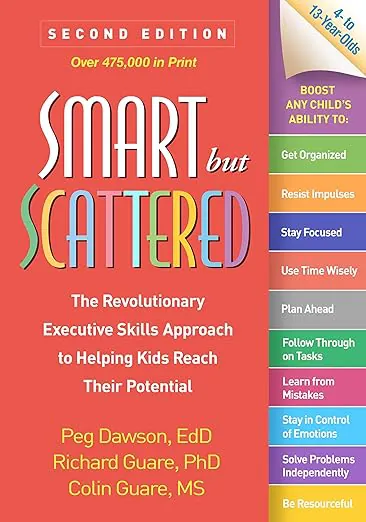
By Peg Dawson EdD and Richard Guare PhD
This is the book for parents who want to understand what executive function actually means in daily life. The authors break down the 11 key executive skills and provide age-appropriate strategies for strengthening each one. If your child struggles with focus, organization, or emotional regulation, this book connects the dots between brain development and behavior, without making you feel like a failure.
Why it pairs with this article: You'll understand exactly what fantasy-heavy screens are depleting, and you'll get a toolkit for building those skills back up.
2. The Self-Driven Child: The Science and Sense of Giving Your Kids More Control Over Their Lives
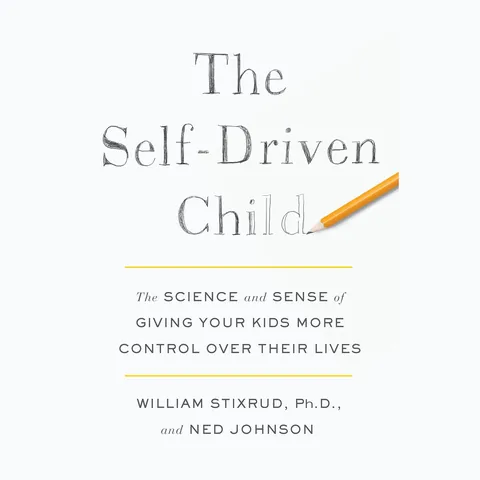
By William Stixrud PhD and Ned Johnson
This book makes a compelling case that children's executive function develops best when they have appropriate autonomy and aren't in a constant state of stress or overstimulation. The authors (a clinical neuropsychologist and an education expert) explain how chronic cognitive depletion (from screens, over-scheduling, or anxiety) undermines the very skills we're trying to build.
Why it pairs with this article: It reframes screen time not as a "bad habit" but as one factor in a larger ecosystem of stress and cognitive load that parents can actively manage.
Get on Amazon | Audiobook Version
Navigating Screens & Digital Wellness
3. The Tech-Wise Family: Everyday Steps for Putting Technology in Its Proper Place
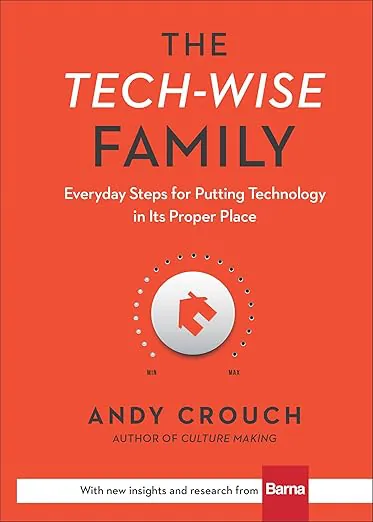
By Andy Crouch
This is a warm, practical guide (not a fear-mongering manifesto) for families trying to use technology intentionally. Crouch offers a framework for deciding when and how screens serve your family, and when they don't. He's realistic about modern life while being unapologetic about protecting childhood.
Why it pairs with this article: You'll get actionable family "tech rules" that aren't about deprivation. They're about creating space for the deeper, slower activities (like audio stories) that build strong brains.
Get on Amazon | Audiobook Version
4. Glow Kids: How Screen Addiction Is Hijacking Our Kids—and How to Break the Trance
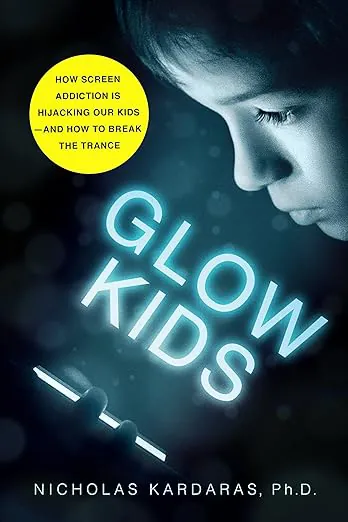
By Nicholas Kardaras PhD
This is the "tough love" book. Kardaras pulls no punches about the neurological impact of screen addiction, drawing parallels between digital stimulation and substance abuse. It's heavily researched and can feel intense, but if you need motivation to make significant changes, this will light a fire.
Why it pairs with this article: It provides the broader neuroscience context for why cognitive depletion from screens matters long-term, and why acting now is critical.
Get on Amazon | Audiobook Version
5. Reset Your Child's Brain: A Four-Week Plan to End Meltdowns, Raise Grades, and Boost Social Skills by Reversing the Effects of Electronic Screen-Time
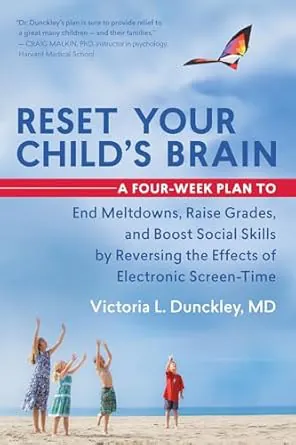
By Victoria L. Dunckley MD
Dr. Dunckley is a child psychiatrist who has seen kids misdiagnosed with psychiatric disorders when the real culprit was "Electronic Screen Syndrome," a pattern of dysregulation caused by overstimulation. Her 4-week "electronic fast" protocol is intense but effective, and she provides the clinical rationale for why it works.
Why it pairs with this article: If your child's attention and executive function issues are severe, this gives you a structured intervention plan, and explains exactly what's happening in the nervous system.
Get on Amazon | Audiobook Version
Audio Alternatives: Story Collections & Audiobook Guides
6. The Read-Aloud Family: Making Meaningful and Lasting Connections with Your Kids
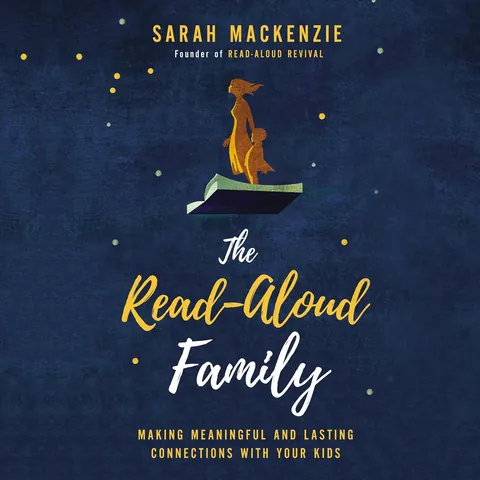
By Sarah Mackenzie
While this book focuses on reading aloud, the principles apply beautifully to audiobooks and story podcasts. Mackenzie makes the case that shared stories, whether read or listened to, are one of the most powerful tools for building connection, imagination, and cognitive skills. She includes tons of age-specific recommendations.
Why it pairs with this article: You'll be inspired to make audio stories a central part of family life, not just a "screen replacement." Plus, you'll get curated lists of high-quality content.
Get on Amazon | Audiobook Version
7. The Enchanted Hour: The Miraculous Power of Reading Aloud in the Age of Distraction
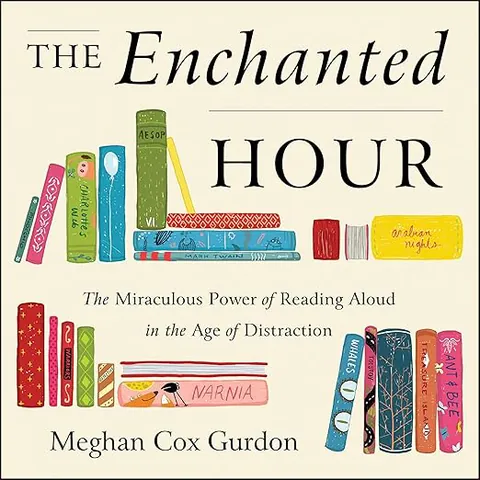
By Meghan Cox Gurdon
This beautifully written book explores the neuroscience and psychology behind why hearing stories (whether read aloud or via audio) is so powerful for children's development. Gurdon interviews researchers, educators, and families, showing how the simple act of storytelling builds vocabulary, empathy, and focus.
Why it pairs with this article: It's the perfect antidote to screen guilt, reminding you that you're not just removing something harmful, you're adding something profoundly good.
Get on Amazon | Audiobook Version
For Kids: High-Quality Audio Story Collections
8. Stories for Kids Who Dare to Be Different (Audiobook)
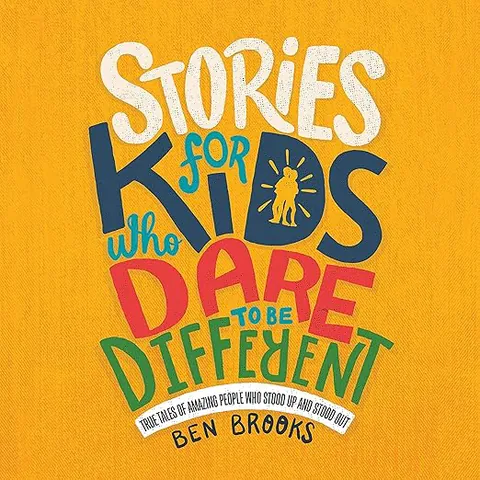
By Ben Brooks, Narrated by Various
A fantastic audio collection of true stories about historical figures (scientists, activists, artists) who challenged norms. It's engaging, diverse, and builds critical thinking: exactly the kind of content that exercises imagination without depleting executive function.
Get on Amazon | Audiobook Version
9. The Percy Jackson Series (Audiobook)
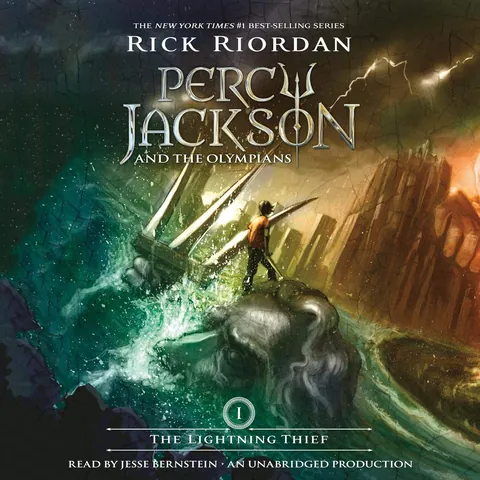
By Rick Riordan, Narrated by Jesse Bernstein
Yes, it's fantasy. But here's the key difference: Audio fantasy doesn't carry the same cognitive cost as visual fantasy. When kids listen to Percy Jackson, they're actively constructing the world in their minds (EF workout), not passively receiving overstimulating visuals. Plus, it's mythology-based education wrapped in adventure.
Get on Amazon | Listen on Audible
10. What If? Serious Scientific Answers to Absurd Hypothetical Questions (Audiobook)
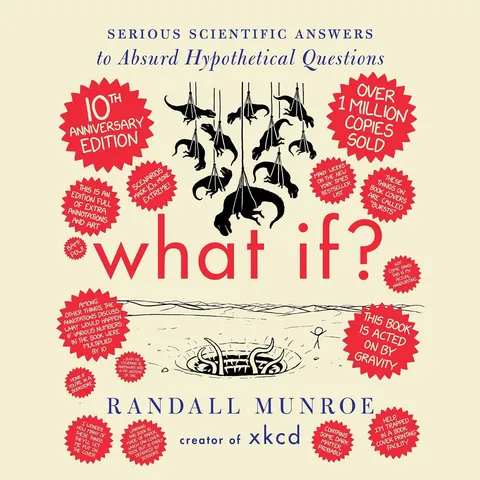
By Randall Munroe
For older kids (10+), this is comedy meets science. Munroe (a former NASA roboticist) answers ridiculous questions with actual physics and research. It's hilarious, educational, and trains kids to think critically and creatively, all through audio.
Get on Amazon | Listen on Audible
A Note on Audiobooks vs. Podcasts
Audiobooks are ideal for longer-form narrative immersion, great for car rides or quiet time.
Podcasts (like age-appropriate story podcasts) are perfect for shorter attention spans and can be episodic, making them easy to fit into routines. With HootPODS you can also make your own short episodes on your iPhone, tailored to your child's age and interests.
Both are powerful tools. The key is co-engagement: listen together when possible, and talk about what you heard. That's where the real cognitive magic happens.
Final Thought
You don't need to read all of these books. Pick one that speaks to where you are right now:
- Feeling overwhelmed and need a plan? → Reset Your Child's Brain
- Want to understand the "why" behind EF? → Smart but Scattered
- Looking for family tech strategies? → The Tech-Wise Family
- Ready to fall in love with audio stories? → The Enchanted Hour
Knowledge is power, but only if you act on it. Choose one book, read it this month, and implement one strategy. That's how change happens.
Remember: You're not anti-fun. You're pro-brain. And that's exactly the kind of parent your kid needs.
As an Amazon Associate, HootPODS earns from qualifying purchases. Book links in this post may be affiliate links.